Broken on Purpose: Why the Sharpest Creatives Are Sabotaging Their Own Workflows

Everybody wants a smooth ride. The app economy has spent the last decade promising us exactly that — tools that talk to each other, pipelines that automate the boring stuff, dashboards that surface everything you need before you even know you need it. Frictionless. Seamless. Effortless.
So why are some of the most inventive people working today doing the exact opposite?
They're printing digital drafts and marking them up with a Sharpie. They're writing strategy docs in one tool and deliberately not syncing them to another. They're switching between a drawing tablet, a legal pad, and a voice memo app in the same afternoon — not because they haven't found a better system, but because they have, and they rejected it on purpose.
Welcome to the friction advantage.
The Problem With Perfectly Optimized
Here's the thing nobody tells you about a frictionless workflow: it's also a thoughtless one. When your tools anticipate your next move, auto-save your drafts, and suggest your next step, you stop making micro-decisions. And micro-decisions, it turns out, are where a lot of the actual creative thinking happens.
Cognitive scientists have a term for what happens when a task becomes too automatic — they call it cognitive offloading. It's useful when you're doing something genuinely repetitive. But creativity isn't repetitive. It's generative. It requires you to stay present, make unexpected connections, and resist the pull of the most obvious answer.
When your workflow is too smooth, your brain goes on autopilot. You stop interrogating your assumptions. You stop noticing when something feels slightly off. You just... ship the thing and move on.
Friction interrupts that autopilot mode. It forces a pause. And in that pause? That's where the interesting stuff tends to show up.
Incompatible by Design
Graphic designer and creative director Maya Okonkwo — based out of Brooklyn and known for brand work that tends to feel like nothing else on the market — describes her process as deliberately "cross-contaminated." She starts every major project in a physical sketchbook, scans her rough ideas, then rebuilds them in Figma, then prints those out and draws over them again before going back to the screen.
"Every time I move between formats, I lose something," she says. "But what I lose is usually the stuff that wasn't working anyway. The translation process acts like a filter."
This is the paradox at the heart of intentional friction: the inefficiency is actually doing real work. The awkward handoff between tools forces you to make choices. You can't drag-and-drop a feeling from paper to pixels. You have to decide what matters enough to carry forward.
Some creative teams take this even further. There are product studios in places like Austin and Portland that have made it a policy to keep their ideation tools completely separate from their production tools — no integrations, no shared file systems, no automatic syncing. The deliberate gap between "thinking space" and "making space" forces the team to consciously translate ideas rather than just migrate files.
The Resistance That Teaches You Something
There's a concept in jazz called playing against the changes — deliberately working in tension with the chord structure underneath you rather than smoothly resolving into it. The resistance creates interest. The slight wrongness is the whole point.
A lot of creative rebels are applying the same logic to their tools and workflows.
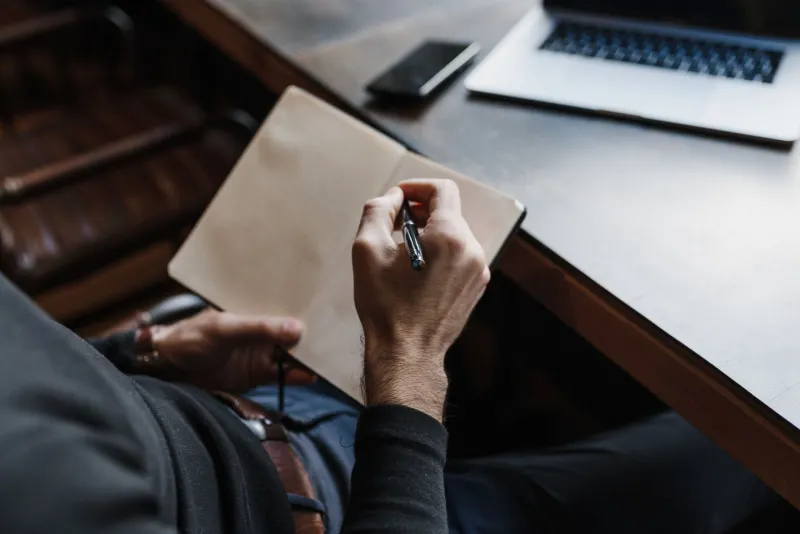
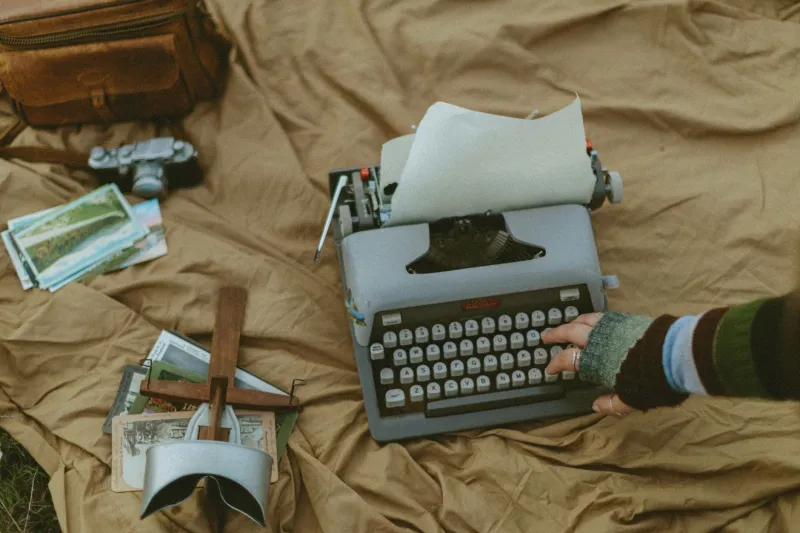
When a novelist switches from writing on a laptop to dictating into a voice recorder, the awkwardness of speaking prose out loud changes the rhythm of their sentences. When an architect sketches on a napkin instead of opening CAD software, the imprecision of the medium forces them to think in concepts rather than specifications. When a brand strategist writes their first draft by hand instead of typing, the slowness of the pen keeps them from outrunning their actual thinking.
The medium creates resistance. The resistance creates attention. The attention creates quality.
This isn't romantic nostalgia for analog tools. It's a deliberate cognitive strategy.
When Integration Becomes a Trap
Let's be honest about what over-integrated workflows actually produce: more of the same, faster. When every tool is optimized to work with every other tool, you build a machine for executing existing patterns efficiently. That's great if you're manufacturing widgets. It's a creativity killer if you're trying to make something genuinely new.
Some of the most successful product launches of the last few years — in categories ranging from consumer tech to independent publishing to food and beverage — came from teams that intentionally kept their early-stage work messy and disconnected. They used whiteboards that couldn't be digitized easily. They kept research and ideation in completely separate physical spaces. They forced themselves to re-pitch ideas from scratch rather than just forwarding decks.
The friction wasn't a bug they hadn't fixed yet. It was a feature they'd chosen to keep.
Building Your Own Friction Points
If you want to experiment with this yourself, the move isn't to throw out your existing setup and go full Luddite. It's more surgical than that. The goal is to identify the moments in your process where you tend to go on autopilot — and introduce a deliberate speed bump.
A few places to start:
Switch formats at the halfway point. Whatever medium you start in, move to a different one before you're done. Print the digital. Sketch the structured. Speak the written. The translation will cost you time and gain you clarity.
Break the pipeline between thinking and producing. If your notes automatically sync to your project management tool, turn that off for a week. Make yourself manually transfer what matters. You'll be surprised how much you leave behind — and how intentional the stuff you carry forward becomes.
Use the wrong tool for the first draft. Write your presentation in a plain text editor with no formatting. Sketch your digital layout on graph paper. Voice-memo your strategy doc. The constraint of the wrong tool forces you to focus on the idea, not the execution.
Introduce a deliberate delay. Don't move to the next stage until you've slept on the current one. The overnight gap is one of the oldest friction tools in the creative playbook, and it still works.
The Smooth Road Goes Nowhere New
There's a reason the most interesting creative work rarely comes from the most optimized studios. Optimization is about repeating what works. Creativity is about finding what hasn't worked yet.
The friction advantage isn't about making your life harder for its own sake. It's about staying awake to your own process — keeping enough resistance in the system that you're always making real decisions, not just executing habits.
The tools that fight back a little? They might be the ones that actually take you somewhere worth going.